

 InfoSearched
The State Department just told Americans: stay off cruise ships.
On March 8, 2020, the U.S. Department of State issued a formal travel advisory telling American citizens to avoid cruise ship travel altogether, singling out travelers with underlying health conditions as facing the greatest danger. The warning leaned on CDC assessments that shipboard environments accelerate the spread of COVID-19, and it landed just as two Princess Cruises ships were stuck offshore dealing with confirmed infections. For an industry already reeling from cancellations, it was about as bad a headline as it gets.
- The State Department’s March 8 advisory cited CDC findings on elevated COVID-19 transmission risk aboard cruise ships and urged travelers with underlying health conditions to avoid cruise travel entirely.
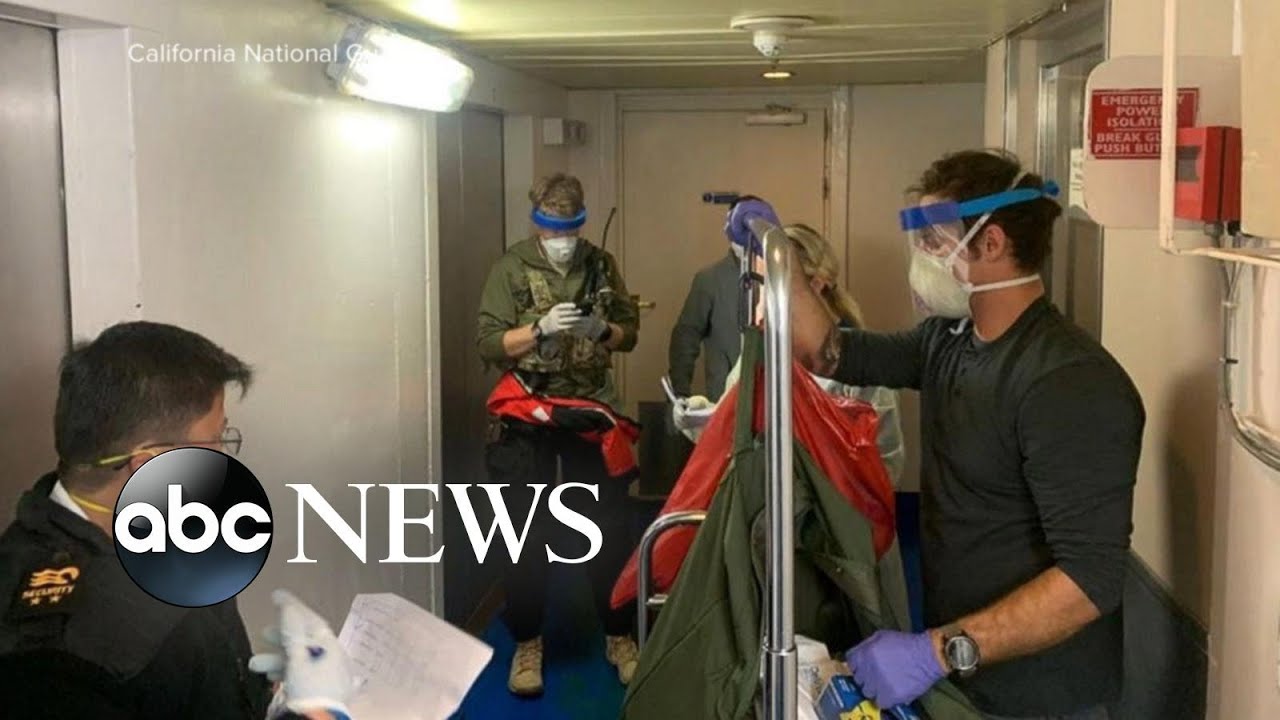
- The Grand Princess, carrying more than 3,500 passengers and crew, was held off the California coast after 21 people — 19 crew and two passengers — tested positive, with one earlier-voyage passenger death linked to the virus; it was set to dock at the Port of Oakland on March 9 so passengers could be sent to hospitals or military bases for mandatory 14-day quarantines.
- The CDC simultaneously ordered the Regal Princess to hold offshore near Port Everglades in South Florida while crew were tested before any docking was allowed.
A Reversal After Fort Lauderdale
The advisory represented a sharp turn from just days earlier, when Vice President Mike Pence met with cruise industry executives in Fort Lauderdale, Florida, and tried to reassure the public that the administration wanted Americans to keep cruising safely. That message didn’t survive contact with the Grand Princess situation. Once the CDC’s own transmission data came back, the State Department scrapped the reassurance and went with an outright warning instead.
Two Ships, Two Coasts, One Problem
The timing wasn’t a coincidence. While the Grand Princess sat off California awaiting its March 9 arrival at the Port of Oakland, the Regal Princess was going through a parallel ordeal on the other coast, held near Port Everglades so the CDC could test crew members before letting the ship approach dock. Passengers on the Grand Princess were headed either to hospitals or to federal military installations for the mandatory two-week quarantine — a scenario the State Department explicitly warned other travelers could face if they got stuck abroad.
21 people aboard the Grand Princess — 19 crew, two passengers — tested positive for COVID-19, with one earlier-voyage death already linked to the outbreak.
No Guaranteed Way Home
Beyond the health warning, the advisory carried a blunt logistical message: don’t count on a repatriation flight if you end up quarantined overseas. Several countries had already begun denying port entry or slapping cruise ships with strict quarantine orders, meaning an American stuck on a stalled vessel abroad might not get the fast exit home they’d expect. That single line did as much to spook would-be cruisers as anything about the virus itself, since it stripped away the assumption that Washington could simply fly people out of trouble.
The Industry Takes the Hit
For cruise lines, the advisory landed on top of an already deteriorating situation — ships being turned away from ports, bookings drying up, and now the federal government actively telling citizens to stay away. The contrast with Pence’s Fort Lauderdale visit made the shift look even more abrupt: an administration that had been courting the industry one week was steering the public away from it the next. It’s the kind of whiplash that tends to stick with an industry a lot longer than the advisory itself.
The Grand Princess was due at the Port of Oakland the morning of March 9, and how smoothly that operation went — moving thousands of people off a ship and into quarantine without new infections spreading in the process — was about to become the next test of whether the CDC’s playbook could actually work in real time.






Warning: Why Small Business Bailouts could Lead to Mass Bankruptcies
Mike Bloomberg drops out of 2020 race
Mike Bloomberg drops out of 2020 race
WATCH: Trump holds news conference on the coronavirus
Coronavirus precautions lead to rat problem in New Orleans