

U.S. officials recover $2.3 million in crypto used to pay ransom in Colonial Pipeline hack
 InfoSearched
The government just proved that even crypto ransom money isn’t beyond the FBI’s reach.
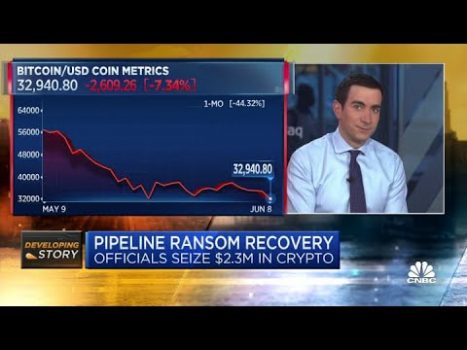
On June 7, 2021, the Justice Department announced it had clawed back a chunk of the ransom Colonial Pipeline paid to the hackers who shut down its fuel network a month earlier. The seizure — 63.7 bitcoins worth roughly $2.3 million at the time of recovery — marked the first big public win for the Biden administration’s newly formed Ransomware and Digital Extortion Task Force. It also delivered a blunt message to cybercriminals who assumed bitcoin was untraceable.
- The DOJ recovered 63.7 bitcoins, worth about $2.3 million, out of the 75 bitcoins (roughly $4.4 million) Colonial Pipeline paid to DarkSide hackers in May.
- The recovered sum represents about 85% of the ransom — the cut earmarked for the DarkSide affiliate that actually breached Colonial’s network — while the remaining 15%, or 11.3 bitcoins, went to DarkSide’s core developers and was not recovered.
- Deputy Attorney General Lisa Monaco, FBI Deputy Director Paul Abbate, and Acting U.S. Attorney Stephanie Hinds of the Northern District of California, which issued the seizure warrant, announced the recovery at a DOJ press conference.
The Sequence of the Attack
Colonial Pipeline, which supplies about 45% of the fuel consumed on the East Coast, shut down operations on May 7 after DarkSide ransomware hackers infiltrated its network. The shutdown triggered panic buying and gas shortages across the Southeast, turning what began as a corporate IT breach into a genuine supply crisis. Colonial paid the attackers 75 bitcoins — worth roughly $4.4 million at the time — in an effort to get its systems back online quickly.
By the time the DOJ moved to seize the funds, cryptocurrency markets had dropped sharply in late May, so the 63.7 bitcoins the government recovered were worth only about $2.3 million rather than their original value. Blockchain analysts and officials said that discrepancy in dollar terms didn’t change the significance of the recovery: it was still the affiliate’s full 85% share of the ransom, traced and locked down before the money could be laundered or cashed out.
Tracing the Money Through the Blockchain
Investigators followed the ransom payment across a series of blockchain transactions until it landed in a specific wallet, then obtained the wallet’s private key to execute the forfeiture. Officials declined to explain exactly how the FBI got hold of that key, but they credited Colonial Pipeline’s decision to notify law enforcement quickly after the attack as the pivotal factor that made tracing — and ultimately recovering — the funds possible.
“The extortionists will never see this money.”
That line came from Stephanie Hinds, whose district issued the warrant that unlocked the seizure. Monaco framed the operation in broader terms, telling reporters, “Ransom payments are the fuel that propels the digital extortion engine,” and arguing that going after the illicit cryptocurrency itself — not just the hackers — is how the government intends to disrupt the ransomware business model going forward.
Significance of the Recovery
DarkSide is believed to operate out of Russia, well beyond the reach of U.S. extradition, so this seizure was never going to end in handcuffs. What it did was puncture the assumption that ransom payments made in bitcoin simply vanish once they’re wired. Colonial’s shutdown exposed just how exposed America’s pipelines and utilities are to a single breach — a vulnerability that echoes worries raised elsewhere about aging critical infrastructure, from water systems to reservoirs running dry. The Colonial hack landed in the same stretch of 2021 that saw a wave of other high-profile digital intrusions, including the hack of prominent U.S. Twitter accounts, pushing federal agencies to treat cybersecurity as a front-burner national security issue rather than a back-office IT problem.
For Colonial, the episode was a costly lesson in incident response paying off: the company’s fast outreach to the FBI is the reason nearly two-thirds of its ransom came back at all. For everyone else running critical infrastructure, the takeaway from the DOJ’s press conference was simple — pay a ransom in bitcoin, and there’s now a real chance the government follows the money straight to the wallet.









Why are Federal Reserve members split on raising rates? I FT
Coronavirus: Number of Americans Testing Positive Skyrockets
Why is this a ‘critical moment’ for the US and Russia over Ukraine? – BBC News
IMF Sees `Heavy Cloud of Uncertainty’ Hanging Over Global Economy
Trump says Democrats would lead U.S. into “economic sinkhole”