

Acting DNI refuses to turn over whistleblower complaint, raising concerns of a coverup
 InfoSearched
The intelligence community’s top watchdog called it “credible” and “urgent.” The Acting Director of National Intelligence has refused to hand it over anyway.
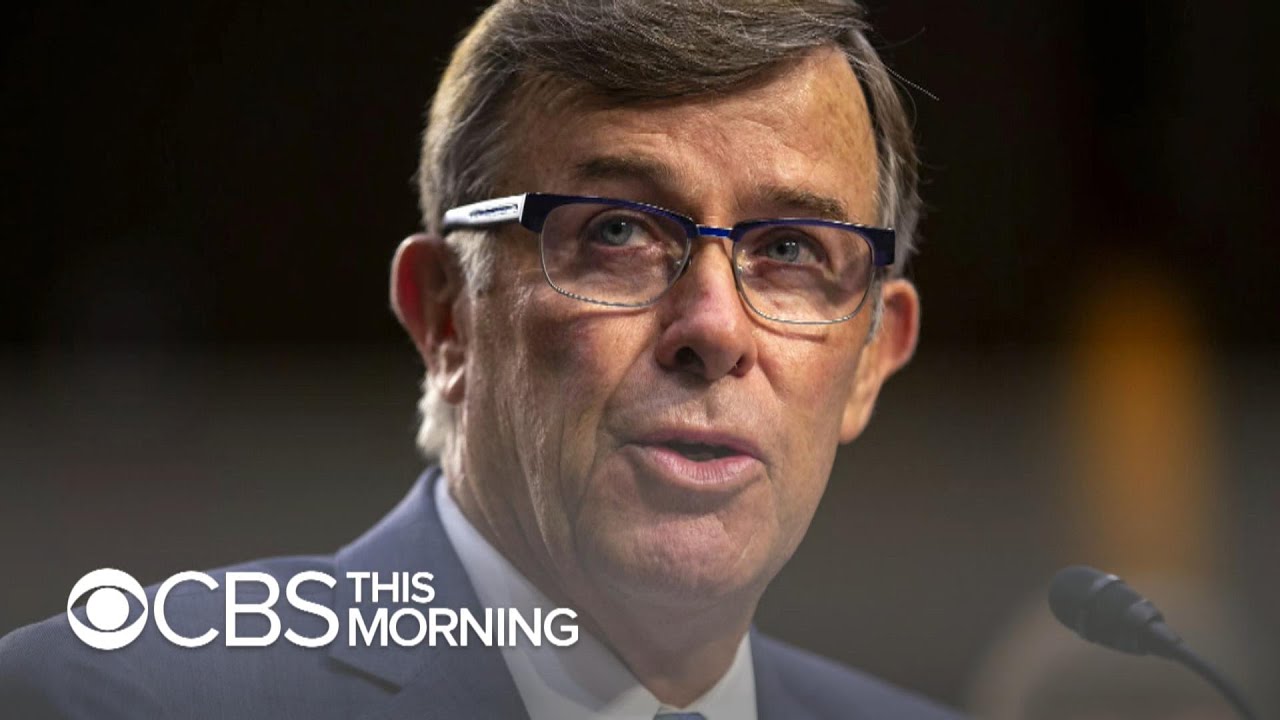
House Intelligence Committee Chairman Adam Schiff issued a subpoena to Acting DNI Joseph Maguire on September 19, 2019, after Maguire withheld a whistleblower complaint that Inspector General of the Intelligence Community Michael Atkinson had already flagged as credible and of “urgent concern.” By statute, that classification should have triggered delivery to Congress within seven days. It never happened, and the fight over why has become a full-blown standoff between the intelligence community and Capitol Hill.
- Schiff subpoenaed Maguire after the Acting DNI refused to turn over a complaint the ICIG had already deemed credible and urgent, despite the seven-day statutory deadline for such filings.
- The complaint reportedly centers on a call between President Trump and an undisclosed foreign leader involving a troubling commitment or promise the president allegedly made.
- Maguire withheld the filing after consulting the White House Counsel’s Office and the Justice Department’s Office of Legal Counsel, which concluded the matter fell outside the DNI’s jurisdiction and wasn’t an “intelligence activity.”
A Deadline That Came and Went
Under the Intelligence Community Whistleblower Protection Act, a complaint flagged as an “urgent concern” is supposed to move fast — the inspector general certifies it, and the DNI has seven days to notify the House and Senate Intelligence Committees. Atkinson did his part. Maguire didn’t. Instead, according to Schiff, the Acting DNI told the committee he was acting on direction from a “higher authority” outside the intelligence community altogether — a phrase that immediately set off alarms on a panel that normally handles this kind of thing quietly and by the book.
The Justice Department’s Office of Legal Counsel reportedly advised that the complaint didn’t qualify as an “intelligence activity” under the statute, effectively giving Maguire legal cover to sit on it. The White House, separately, raised the possibility of executive privilege. Schiff wasn’t buying either explanation, framing the delay as an attempt by the executive branch to bury a complaint about the president using the very office designed to prevent that from happening.
Maguire cited instructions from a “higher authority” outside the intelligence community — the line that turned a bureaucratic dispute into accusations of a cover-up.
Details of the Reported Complaint
Reporting ahead of the subpoena indicated the complaint centers on a phone call between President Trump and a foreign leader, with the whistleblower alleging Trump made some kind of commitment or promise during that exchange that raised red flags inside the intelligence community. Neither the leader nor the specifics of the alleged promise had been confirmed publicly by the morning of September 19. Trump addressed the matter directly on Twitter that morning, dismissing the reporting as “Fake News” and arguing that because agencies routinely monitor calls between the president and foreign leaders, he would never say anything improper on one.
That defense didn’t slow down the House Intelligence Committee. The panel scheduled a closed-door session with Atkinson for September 19 to press him on the complaint’s contents and why it never reached lawmakers on schedule. Maguire, now under subpoena, is set to testify publicly the following week — a hearing that will put him in the position of explaining, on the record, why a complaint his own inspector general certified as urgent sat in limbo instead of landing on Schiff’s desk.
Congress Versus the Executive Branch
The clash echoes a familiar pattern on the Hill: an intelligence oversight process built to move fast running headlong into a Justice Department and White House Counsel’s Office intent on slowing it down. It’s not unlike the friction that pushed Senate Intelligence Committee leadership into its own controversies — committees built on classified trust getting stonewalled by the very agencies they’re supposed to police. Schiff’s subpoena is a rare and aggressive step, one usually reserved for outright noncompliance rather than a legal disagreement over jurisdiction.
The timing lands awkwardly for a White House already fielding scrutiny on multiple fronts. Trump had just wrapped a heavy week of diplomacy, including his push at the United Nations to condemn moves toward recognizing a Palestinian state, and now finds his own foreign-leader phone calls at the center of a domestic subpoena fight instead.
Atkinson’s closed-door session with the committee on September 19 is the next real checkpoint. If he confirms under questioning what Schiff has already alleged — that Maguire was told by someone outside the intelligence community to sit on a certified urgent complaint — the fight moves from a legal technicality to something Congress can act on. Maguire’s public testimony the following week is where that gets tested in the open.





California reports first coronavirus death
Negative Oil Prices Explained.
A Video Message of Appreciation on the 2019–20 U.S. News & World Report Best Hospital Rankings
Two American cities fight to block quarantine facilities in their communities
Italy coronavirus deaths rise by record 475 in a day