

 InfoSearched
Riot police storm a Hong Kong subway station, and CNN’s cameras are rolling inside.
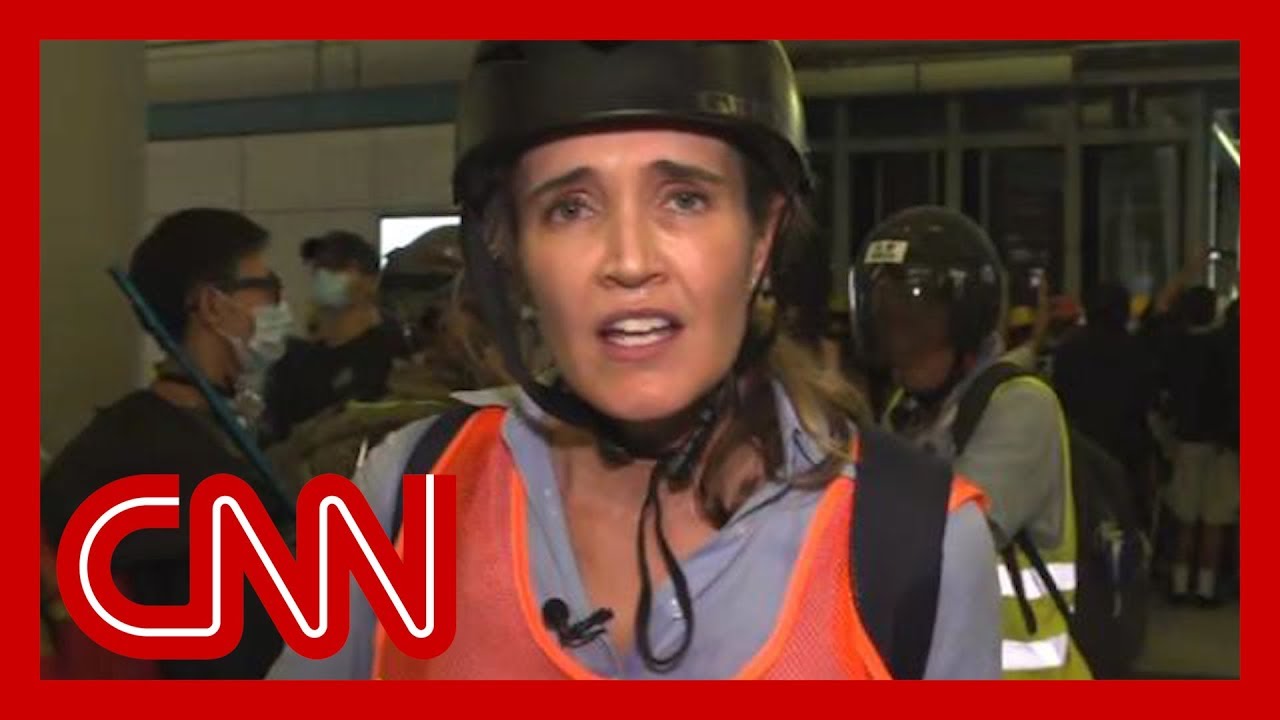
CNN international correspondent Anna Coren was reporting live from inside Yuen Long MTR station on July 27, 2019, when armed riot police pushed into the concourse and began clashing with pro-democracy demonstrators trying to leave. Tens of thousands had marched on the border town that day in defiance of a police ban, determined to call out the violence that had erupted there six days earlier. What followed inside the station left blood on the tiled floor and Coren describing the scene, on air, as outright “chaos.”
- Demonstrators gathered in Yuen Long despite an official police ban, protesting a mob attack that had taken place at the same MTR station on July 21.
- In that earlier assault, dozens of men in white shirts armed with wooden canes and metal rods beat train passengers and returning protesters while police response was delayed.
- On July 27, riot police pursued protesters retreating into the station, deploying pepper spray and swinging batons at people trying to exit, leaving pools of blood on the concourse floor.
Yuen Long Emerges as Flashpoint
Yuen Long isn’t Hong Kong’s usual protest ground — it’s a town near the mainland border, far from the government buildings and shopping districts that had hosted most of the summer’s marches. But it became the focal point of outrage after the July 21 attack, when white-clad men wielding canes and rods stormed the MTR station and beat passengers, including journalists and protesters returning from an earlier rally, while officers were slow to arrive. Many in Hong Kong accused police of colluding with, or at minimum tolerating, the mob that night, and the anger over that inaction is what pulled tens of thousands back to the same station a week later.
The city’s police force had formally banned the July 27 gathering, but marchers showed up anyway, turning a demonstration meant to condemn police inaction into a direct test of the ban itself. That set the stage for the confrontation Coren and her crew ended up broadcasting live.
Tear Gas, Barricades, and a Retreat Into the Station
Hours of street clashes preceded the scenes inside the MTR. Riot police fired tear gas and rubber bullets at crowds who had built makeshift barricades in the streets around the station, a now-familiar pattern from that summer’s protests. As the standoff wore on, demonstrators began pulling back toward the station, many simply trying to catch a train home rather than continue the fight outside.
Instead of allowing that retreat to play out, riot police followed the crowd into the station itself. Officers pushed into the concourse, cornering protesters who had nowhere left to go, then deployed pepper spray and used batons on people in the crush. It’s that moment — police charging a crowd attempting to peacefully leave — that Coren was reporting live when the chaos broke out around her.
Riot police charged into the station and beat protesters trying to get out, leaving pools of blood on the concourse floor.
A Reporter in the Middle of It
Coren’s live dispatch captured what made the Yuen Long station scene so jarring: this wasn’t a street battle with room to maneuver, it was a confined, tiled underground space packed with commuters and protesters alike. Her account of “chaos” inside the station matched what spread quickly on social media and local broadcasts — footage of officers striking people who were backed against walls and turnstiles, unable to retreat further.
The images drew immediate public outcry in Hong Kong, compounding the anger already simmering over the police’s handling of the July 21 mob attack. For a police force already accused of selective enforcement, using force against a crowd trying to disperse rather than confront officers gave critics a fresh, visceral example to point to.
The Wider Standoff
The Yuen Long clashes landed in the middle of a summer that had already seen Hong Kong’s government shelve an extradition bill under pressure, only to watch protests keep growing over broader demands around policing and democratic freedoms. Beijing’s posture toward the territory was hardening in parallel — the same stretch of 2019 saw China stepping up military drills near Taiwan, a reminder of how closely Washington and the region were watching Beijing’s response to unrest on its own turf. Within days, the standoff in Hong Kong would draw direct attention from the White House, which later moved to end preferential trade treatment for the territory as the crackdown wore on, a decision covered in Trump’s executive order on Hong Kong’s status.
Yuen Long station reopened for service not long after the clashes, trains running again over the same floor where the batons had come down hours earlier. Coren and CNN’s crew kept filing from the ground in Hong Kong through that summer, and Yuen Long stayed a rallying point — organizers were already talking about returning to the same MTR station on the one-month anniversary of the July 21 attack.

‘We’ll starve to death if this continues’
Spain’s coronavirus death toll surpasses China’s
Chinese economy is going through transformation: BNP Paribas China CEO | East Tech West
GOP Senator Burr steps down amid ongoing investigation
How Amazon Paid $0 Federal Income Tax in 2018